High-Profile Court Cases in Bangladesh: Legal Developments, Political Impact, and Public Reaction
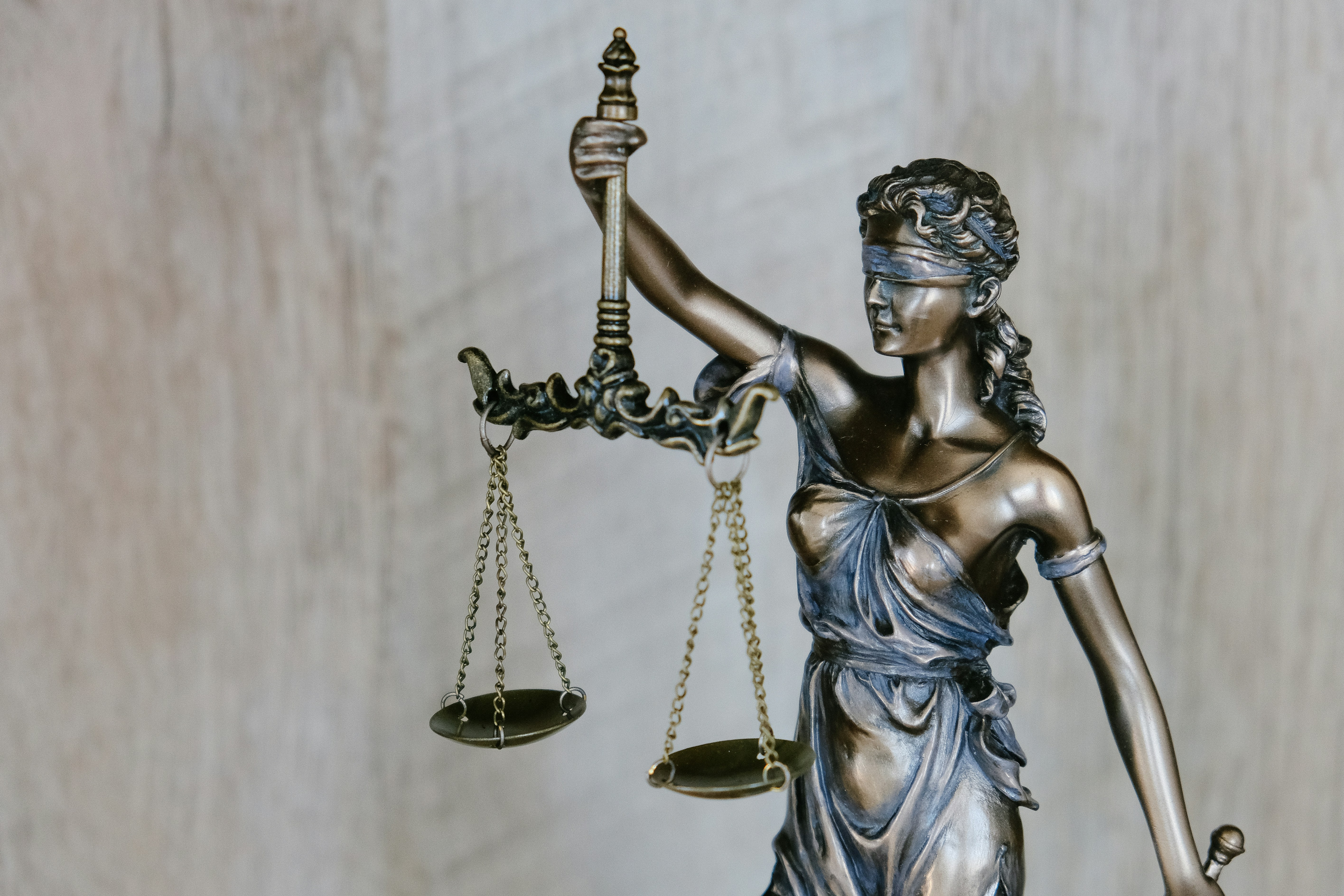
Bangladesh’s legal system has come under intense public scrutiny as courts handle several high-profile cases involving prominent political figures, past incidents, and sensitive allegations. These proceedings are unfolding at a time of nationwide unrest, making their outcomes particularly significant for political stability, public trust, and the rule of law.
This article explains what high-profile court cases mean in the Bangladeshi context, what legal developments are currently unfolding, why they matter, and how they could shape the country’s political and social landscape.
What Are High-Profile Court Cases?
High-profile court cases typically involve influential individuals, politically sensitive matters, or incidents that attract widespread media attention. In Bangladesh, such cases often intersect with politics, governance, and public accountability.
These cases matter not only because of who is involved, but because they test the independence, credibility, and effectiveness of the judicial system.
Why Legal Developments Are Gaining Attention Now
The current focus on court proceedings comes amid a broader national crisis marked by protests, political polarization, and demands for justice. In such times, legal decisions are often interpreted as signals of state intent and institutional strength.
Public interest intensifies when legal cases involve:
- Senior political leaders
- Allegations of abuse of power
- Disappearances or rights violations
- Events linked to past political unrest
As a result, court actions are closely followed by citizens, media, and international observers.
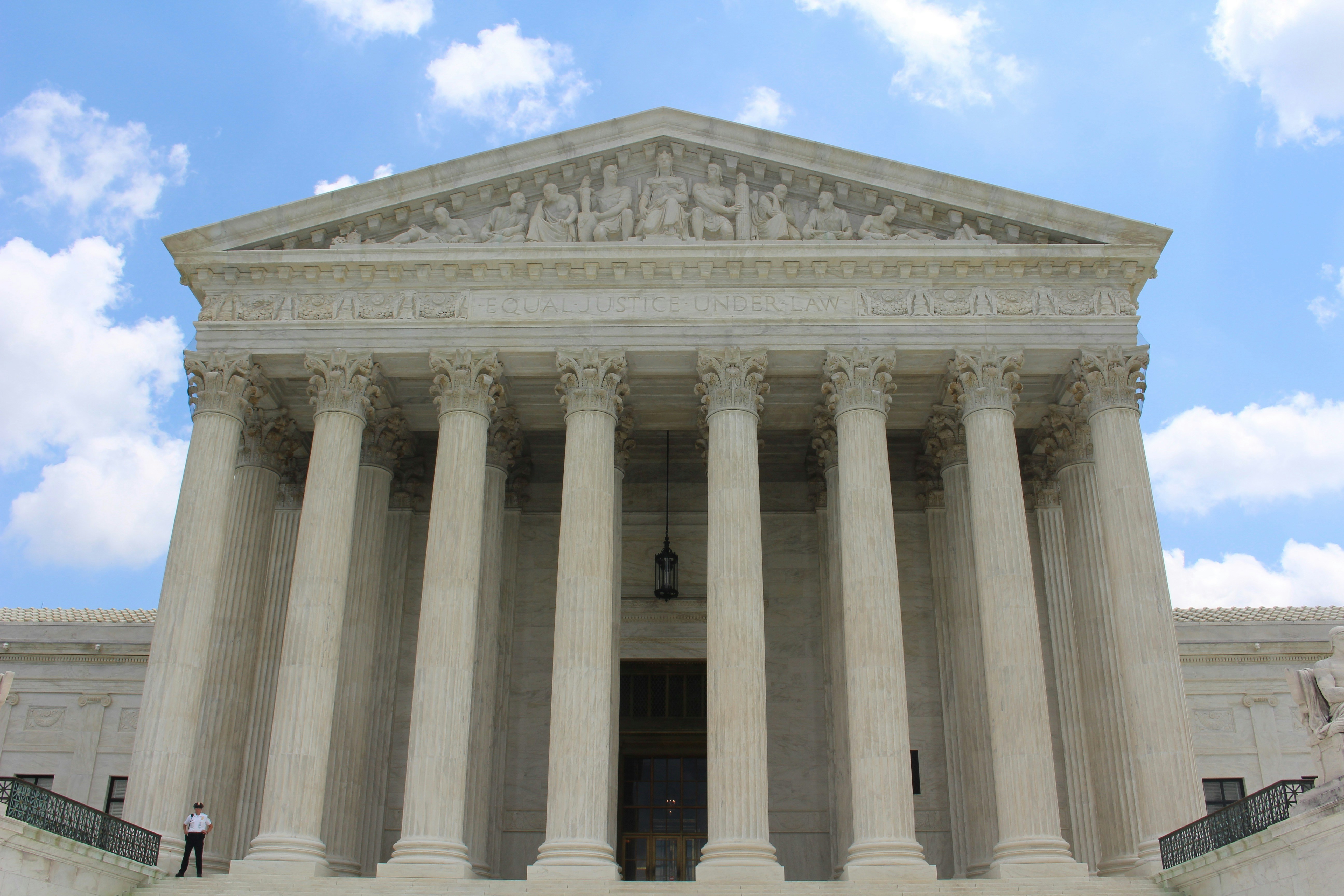
The Role of the Judiciary in Bangladesh
The judiciary is constitutionally independent and plays a critical role in interpreting laws, resolving disputes, and protecting citizens’ rights. In theory, courts act as a check on executive and legislative power.
However, public confidence in the judiciary has fluctuated over time, often influenced by political dynamics and perceptions of fairness.
High-profile cases therefore become moments when judicial independence is tested in the public eye.
Political Implications of Court Proceedings
Legal cases involving political figures inevitably carry political consequences. Supporters and opponents often frame legal actions as either accountability or political targeting.
This dynamic can:
- Deepen political polarization
- Trigger street protests or counter-protests
- Influence upcoming political strategies
In the current climate, court decisions may either help ease tensions or further inflame them.
Public Trust and the Justice System
For ordinary citizens, the central question is whether justice is applied equally. When high-profile cases are handled transparently and according to due process, public trust can improve.
Conversely, delays, lack of clarity, or perceived bias can weaken confidence not only in courts but in the state as a whole.
Many citizens see these cases as indicators of whether accountability applies to all—or only to some.
Media Coverage and Public Perception
Media plays a powerful role in shaping how court cases are understood. Headlines, commentary, and televised discussions often frame legal proceedings as political battles.
While media scrutiny can promote transparency, sensationalism risks oversimplifying complex legal processes.
Responsible reporting is essential to help the public distinguish between legal facts and political narratives.
Legal Due Process and Fair Trial Concerns
Human rights organizations consistently emphasize the importance of due process, including:
- Presumption of innocence
- Right to legal representation
- Timely hearings
- Protection from arbitrary detention
In high-profile cases, adherence to these principles is especially important, as any deviation can damage national and international credibility.
International Observation and Global Image
Bangladesh’s legal developments are closely monitored by foreign governments, investors, and rights groups. Judicial independence is often linked to economic confidence and diplomatic relations.
Perceived weaknesses in the rule of law can affect:
- Foreign investment
- Trade negotiations
- International cooperation
Thus, legal credibility has consequences far beyond the courtroom.
Challenges Facing the Legal System
Bangladesh’s courts face several structural challenges, including case backlogs, limited resources, and procedural delays.
During periods of political unrest, these challenges become more pronounced, making efficient and fair case management even harder.
Legal experts argue that long-term reform is necessary to strengthen judicial capacity and independence.
Why These Cases Matter for the Future
High-profile legal cases are not just about individual defendants—they shape public expectations about justice, power, and accountability.
How courts handle these matters will influence:
- Citizen trust in institutions
- Political stability
- Respect for the rule of law
In moments of national tension, strong and impartial institutions become especially vital.
Conclusion: Justice at a Crossroads
Bangladesh’s high-profile court cases represent a crossroads for the country’s legal and democratic systems. Transparent, fair, and timely justice can help restore confidence and reduce tensions.
Failure to uphold these standards, however, risks deepening divisions and prolonging instability.
As proceedings continue, citizens and observers alike will be watching closely—not just for verdicts, but for signs of institutional integrity.
Sources
- Bangladesh court and legal affairs reports
- Bangladesh Sangbad Sangstha (BSS)
- Local and international media analysis
Copyright-Free Notice
This article is original, copyright-free content created for informational purposes.
Disclaimer
This article discusses ongoing legal matters based on available public information. Legal outcomes may change as cases progress.
إرسال تعليق
“💬 We value your thoughts! Please keep comments respectful and on-topic.”